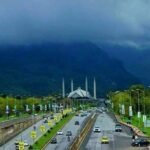


A Vision for Sustainable Growth by Aamir Kashani Baloch
Introduction
The real estate sector has become one of the most influential components of Pakistan’s economic structure. Over the past two decades, rapid urbanization, population growth, overseas investment, and infrastructure development have significantly increased the importance of property and construction activities in the country.
In developing economies like Pakistan, real estate does not only provide housing or commercial
space; it acts as a powerful engine of economic growth. The sector influences dozens of industries,
creates employment opportunities, and attracts both local and international investment.
The contribution of real estate to Pakistan’s Gross Domestic Product (GDP) and Gross National
Product (GNP) is therefore substantial and continues to grow with the expansion of cities and the
increasing demand for housing.
Understanding GDP and GNP
Gross Domestic Product (GDP) refers to the total value of all goods and services produced within a
country during a specific period. It is one of the most commonly used indicators to measure
economic performance.
Gross National Product (GNP), on the other hand, measures the total income generated by the
residents of a country, including earnings from abroad.
The real estate sector contributes to both GDP and GNP through construction activities, property
services, rental income, foreign investment, and remittances invested in property.
Contribution of Real Estate to Pakistan’s GDP
The real estate and construction sector collectively contribute an estimated 8–10 percent of Pakistan’s GDP, making it one of the largest sectors in the national economy.
Construction and infrastructure development play a central role in this contribution. Whenever a housing project or commercial development begins, it triggers multiple economic activities such as land development, material purchases, labor employment, engineering services, and transportation.
Major cities like Islamabad, Lahore, Karachi, and Rawalpindi have witnessed significant property development over the years, further strengthening economic activity.
Employment Generation
The real estate sector is among the largest sources of employment in Pakistan. Millions of people are directly or indirectly connected with construction and property development.
Jobs created by the sector include construction workers, engineers, architects, contractors, surveyors, real estate agents, property consultants, and interior designers.
In addition to direct employment, real estate stimulates growth in supporting industries such as cement manufacturing, steel production, brick kilns, ceramics, glass, and furniture manufacturing.
Capital Investment and Wealth Creation
Real estate has traditionally been considered one of the safest investment options in Pakistan. Due to inflation and limited financial investment alternatives, many individuals prefer investing their savings in property.
Private housing societies, commercial developments, and mixed-use projects attract billions of rupees in investment every year. Property investment helps individuals build wealth while simultaneously contributing to economic development.
Role of Real Estate in Pakistan’s GNP
Real estate also contributes significantly to Pakistan’s Gross National Product through overseas investments and remittances.
Pakistan receives more than 25–30 billion dollars annually in remittances from overseas Pakistanis. A significant portion of these funds is invested in property and housing.
Rental income from residential and commercial properties also contributes to national income and increases economic activity.
Linkages with Multiple Industries
One of the most remarkable features of the real estate sector is its connection with more than forty industries including cement, steel, bricks, electrical equipment, paint, glass, wood, and furniture.
Growth in real estate automatically stimulates growth in these industries, which is why the sector is often described as a multiplier for economic activity.
Challenges in the Real Estate Sector
Despite its importance, the sector faces challenges such as lack of documentation, regulatory complexities, housing shortages, and limited mortgage financing.
Improving transparency, digitizing land records, and expanding housing finance can significantly improve the performance of the real estate sector in Pakistan.
Vision of Aamir Kashani Baloch
Aamir Kashani Baloch believes that the real estate sector can become a transformational force for Pakistan’s economic future.
Through his company IDEAS Marketing, he envisions a modern and transparent property market where investors, developers, and buyers can connect with confidence.
His vision focuses on transparency, innovation, and opportunity creation, helping investors identify reliable projects that contribute to economic development.
IDEAS Marketing – Hub of Real Estate Opportunities
IDEAS Marketing operates with the philosophy “Hub of Real Estate Opportunities.”
The company aims to connect investors with trustworthy projects and provide strategic marketing solutions in the property sector. By promoting reliable opportunities and professional practices, IDEAS Marketing contributes to the modernization of Pakistan’s real estate market.
Conclusion
Real estate plays a vital role in Pakistan’s economic growth. Its contribution to GDP through construction, investment, and infrastructure development makes it one of the most influential sectors of the economy.
At the same time, overseas investments, remittances, and rental income strengthen Pakistan’s GNP and national income. With improved policies, transparency, and professional marketing platforms, the real estate sector can become a powerful driver of Pakistan’s future economic prosperity.
March 15, 2026